Application
One-component polyurethane adhesive is used as a binder for rubber and / or rubber crumb when creating a high-strength, porous, elastic, resistant to abrasive wear and impact loads coating, which prevents slipping.
Physical and mechanical parameters
|
Parameter
|
Value
|
|
Appearance at a temperature of 25°C
|
Homogeneous transparent viscous colorless/whitish liquid
|
|
Content of non-volatile substances, %
|
100
|
|
Dynamic viscosity at 25°C, MPa * s
|
2500-3000
|
|
Elongation at break, %
|
Not less than 60
|
|
The recommended ratio of crumb/glue
|
7 kg of black crumbs: 1.4-1.5 kg of glue,
|
|
8 kg of black crumbs: 1.6-1.8 kg of glue
|
|
Adhesive strength, N/ mm3
|
Not less than 1.5
|
|
Density at 20ºC, g / cm3
|
1.10-1.15
|
Due to the sunlight exposure, the surface of the coating may eventually turn into yellow color. Color change is not a sign of destruction, loss of strength or durability. PU-Adhesive for rubber crumbs (1 K) is recommended to use in a combination with rubber or EPDM granulate of darker shades, which will visually cover up the yellow hue.
Advantages
- Homogeneous and light, does not contain additive.
- Elastic and hard, increases coating strength.
- Low consumption: 1.5 kg of glue per 7 kg of crumbs.
- Available in packaging from 10 kg.
- Delivery in Russia and the CIS.
- Shipment on the next day after the payment.
- System of cumulative discounts from 6 barrels (1320 kg).
- Cooperation and partnership with individuals and legal entities.
Usage terms
- The temperature of the rubber crumb, the base surface and the working area has to be in a range from 15°C to 30°C.
- Relative humidity of the air has to be no more than 65%.
Surface preparation
- Rubber crumb application can be set up on the cement or asphalt concrete, boardwalk and on a natural soil. The surface of the concrete or asphalt before applying the coating should be thoroughly primed, uniform, dry, and free of dirt, which prevents the adhesion.
- Thoroughly prime the surface with Himtrust Primer-PK (1K) and allow the primer to dry for 60 minutes. The color of the primer is red to visually show the primed and unprimed areas. After 60 minutes, evaluate the quality of the surface priming by performing a visual inspection. Areas where the primer is completely absorbed should be re-primed. The coating of the rubber crumb should be applied while the primer is sticky. The approximate drying period of the prime is 3 hours, depending on the temperature and humidity of the environment. Poor-quality priming leads to a poor adhesion between the rubber coating and the base, eventually causing the bubbles. The consumption of the primer is 100-500 g per 1 m3, depending on the type of surface and its absorption capacity. When laying rubber crumbs on a natural soil, we recommend using a rolled rubber substrate or geotextile which allows water to go through.
- The rubber crumb must be dry and dust-free.
Usage restrictions
- Do not use on a concrete surface (base) in the absence of any hydro and/or vapor barriers, as well as in any other cases where there is a risk of capillary rise of moisture in the surface.
- The humidity remainder of the concrete surfaces (bases) should not exceed 4% (wt.), anhydride and magnesia-0.5% (mass.).
- Do not use on freshly laid bituminous surfaces, including freshly laid asphalt. Such asphalt has an oily surface and the coating will not stick to it. Before laying the coating, it is necessary to degrease the entire surface of the base. To remove oil from its surface, you should wash it with a degreasing agent. Pour the entire surface of the asphalt with this agent and rinse thoroughly with a stream of water.
- Do not use on surfaces which are not flat or has a complex geometry (steps, junctions, and protrusions).
Styling technology
- Load the rubber crumb into a mixer (rotary or screw), add some dye for the color (if necessary). Stir for 10 minutes to break up the lumps and distribute the dye.
- Add the glue in the amount of 20-22% of the total weight of the rubber crumb and the dye. Stir for at least 5 minutes. Consumption of materials per 1 m3 of the coating with 10 mm thickness equals to 8 kg of black rubber crumbs and 1.6-1.8 kg of glue.
- Spread the prepared mixture evenly on the surface by hand (using grates and rollers to roll it) or using a laying machine. When working in an open area during the mixture curing (solidification), atmospheric moisture is not allowed to enter the surface of the coating.
- After 48 hours, limited amount of people can step on the finished surface. Complete curing of the coating occurs in 5 days.
- When work is complete, the tools should be cleaned with organic solvents (acetone, xylene). The cured glue on the tool should be removed mechanically.
Problem solution
- Glue crystallization during the storage period at a low temperature.
Solution: Keep the glue in a dry, warm room for 24 hours.
- Polymer film (foil) on the surface of the glue.
Solution: Remove the foil with a spatula and stir the glue.
- Excessive foaming of the glue due to the moisture.
Solution: Dry the crumbs, the surface of the base; exclude the ingress of moisture (precipitation) on the coating until the glue is completely cured.
- Insufficient adhesion to the surface.
Solution: Remove the poor-quality coating, clean the dust from the surface of the base, clear of debris, apply a primer layer, re-apply a mixture of glue and crumbs.
Health effects and precautions
It is mandatory to use personal protective equipment when working: respiratory protection, special clothing covering all areas of the body, gloves, shoes. Ensure good ventilation in enclosed areas.
Storage recommendations
Storage period is 6 months at a temperature of +10°C to +30°C without opening the barrels. If the material has not been completely consumed, close the container tightly and wrap the lid with a stretch film. When re-opened, a polymer film might appear on the surface; it must be removed and thoroughly mixed with the material.
Rights
Production of polyurethane glues and polymeric materials is protected by patents and patent applications. This publication does not grant the right to carry out patented technological processes. The information and recommendations contained in this publication fully reflect Himtrust’s knowledge of the product to date. All the information is accurate to the best of our knowledge at the time of the publication. Nothing in this publication should be construed as a warranty. In all circumstances, it is the user’s responsibility to determine the applicability of such information or the product itself to the user's specific purpose.
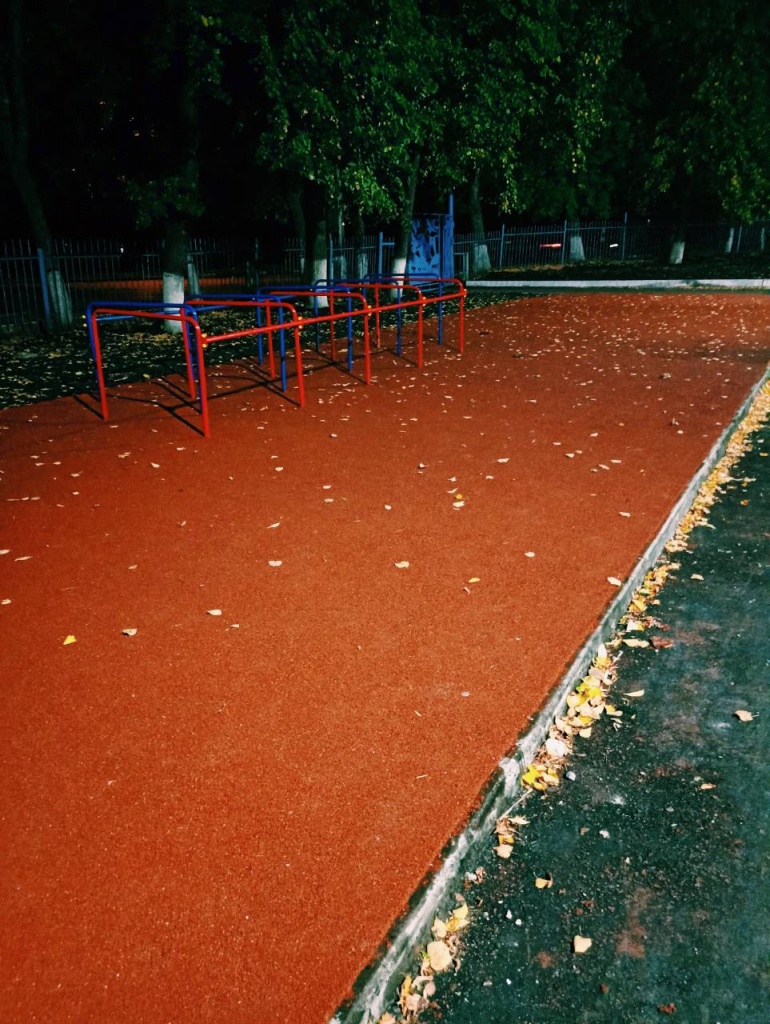
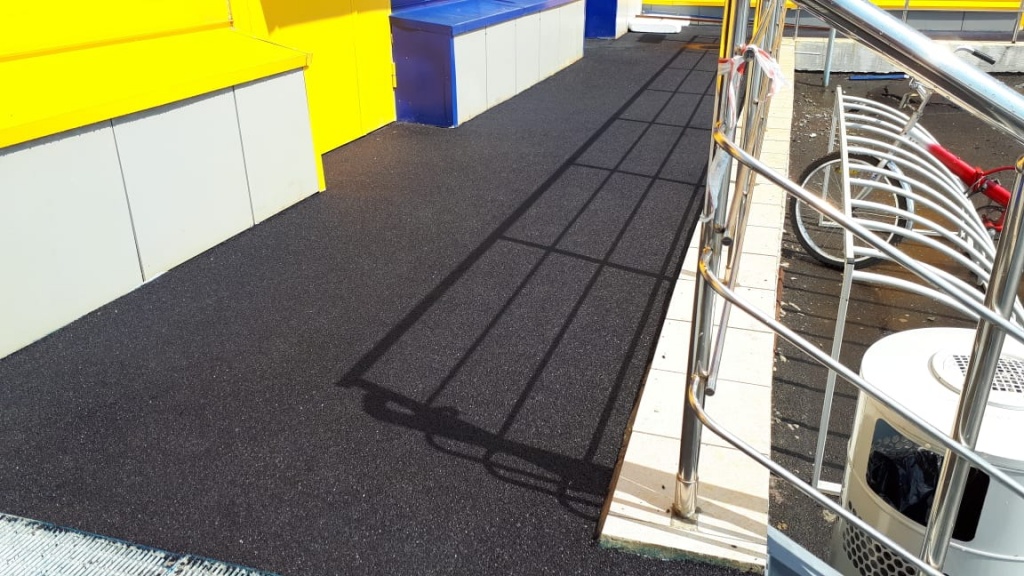
Client’s photos